Laparoscopic Surgery in Kanpur – Expert Minimally Invasive Care by Prof. Dr. Manoj Sonkar
Every year, thousands of patients across Uttar Pradesh choose minimally invasive surgical care over traditional open surgery, and it is easy to understand why. Smaller incisions, less pain, faster healing, and a much shorter hospital stay have made laparoscopic surgery the preferred choice for a wide range of abdominal conditions. Also known as keyhole surgery or minimally invasive surgery (MIS), this advanced technique uses a small camera and specialised instruments inserted through tiny incisions, allowing surgeons to operate with remarkable precision while causing minimal disruption to the body.
For residents of Kanpur and the surrounding regions of Uttar Pradesh, access to expert laparoscopic care is now closer than ever. Prof. Dr Manoj Sonkar is a Fellowship-certified General, GI and Laparoscopic Surgeon with over 15 years of clinical and academic experience. He leads minimally invasive surgical practice across multiple locations in the city, including Kalyanpur, Kakadeo, and Keshavpuram.
Whether you need gallbladder stone removal, hernia repair, ovarian cyst treatment, or a complex GI surgery, Dr Manoj Sonkar brings the highest standard of surgical expertise to every procedure. This guide covers everything you need to know about laparoscopic surgery in Kanpur, from how the procedure works and what conditions it treats, to recovery expectations, costs, and how to choose the right surgeon.
What is Laparoscopic Surgery?
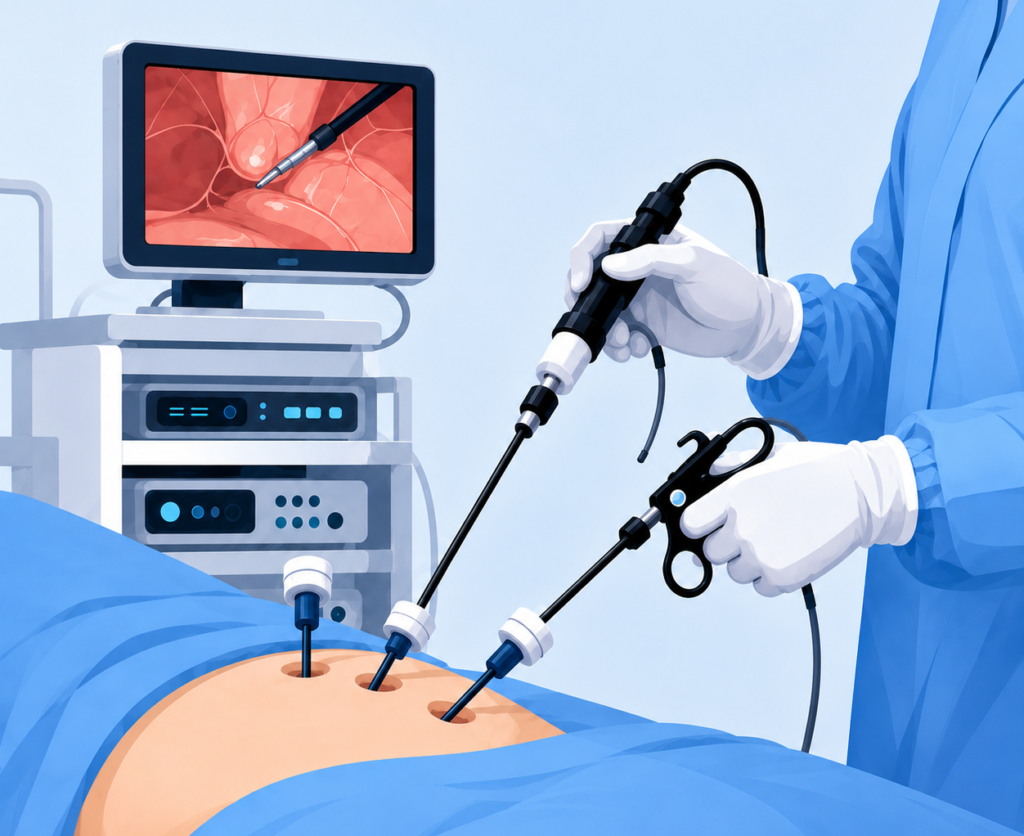
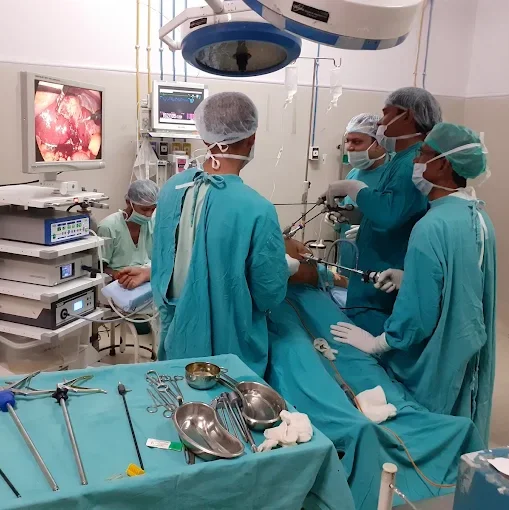
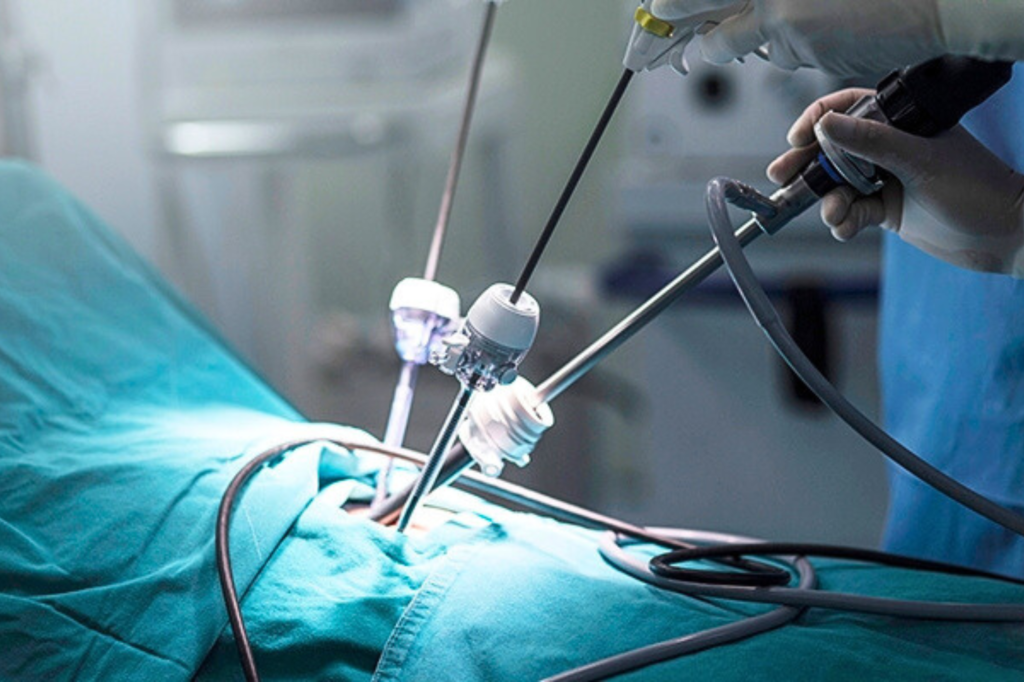
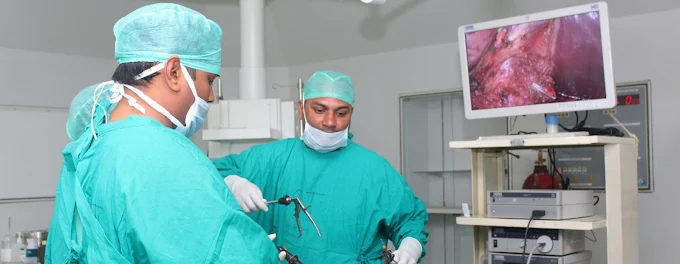
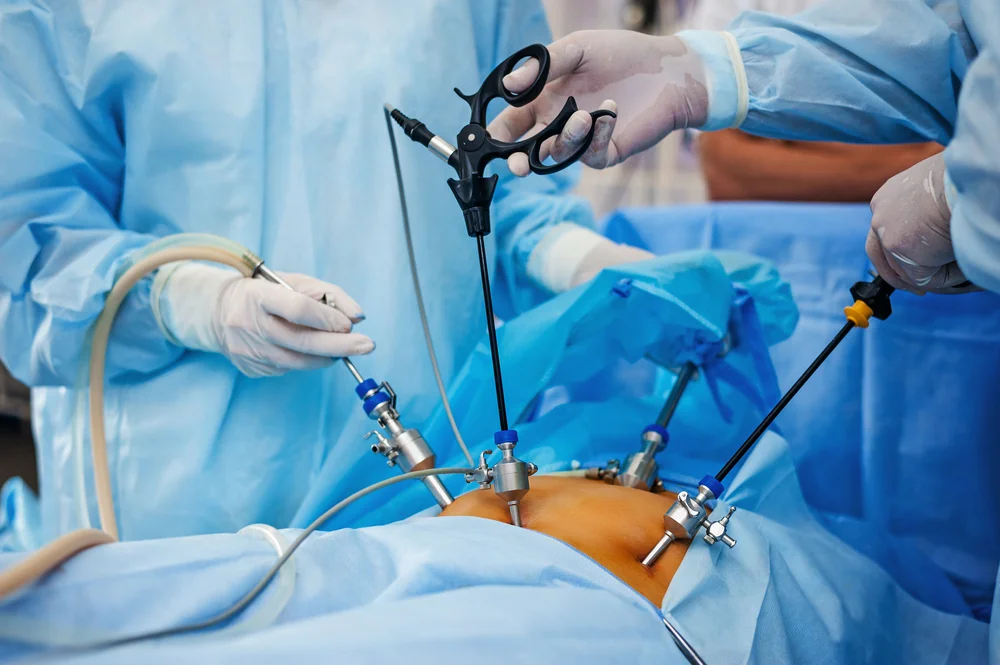
Laparoscopic surgery is a modern surgical technique in which a surgeon operates through several small incisions, typically 0.5 to 1.5 cm, rather than one large cut. A thin, tube-like instrument called a laparoscope, equipped with a high-definition camera and light source, is inserted through one of these incisions. The camera transmits real-time images of the patient’s internal organs onto a monitor, giving the surgeon a clear, magnified view to guide the procedure with precision.
This approach stands in sharp contrast to traditional open surgery, which requires a large incision and results in significant tissue disruption, longer hospital stays, and extended recovery periods. Laparoscopic surgery, on the other hand, is associated with minimal blood loss, reduced post-operative pain, smaller scars, and a much faster return to normal daily activities.
How Does Laparoscopic Surgery Work?
The procedure follows a well-defined sequence that prioritises patient safety and surgical precision:
- Small incisions are made in the abdomen: typically 2 to 4 cuts, each less than 1.5 cm in size.
- Carbon dioxide gas is gently introduced to inflate the abdominal cavity, creating space for the surgeon to work safely.
- The laparoscope is inserted through one incision, transmitting a live HD video feed to the operating monitor.
- Specialised surgical instruments are passed through the remaining incisions to perform cutting, suturing, or tissue removal.
- On completion, instruments are withdrawn, gas is released, and the small incisions are closed with stitches or surgical tape.
- The entire procedure is performed under general anaesthesia, and most patients are awake and mobile within hours.
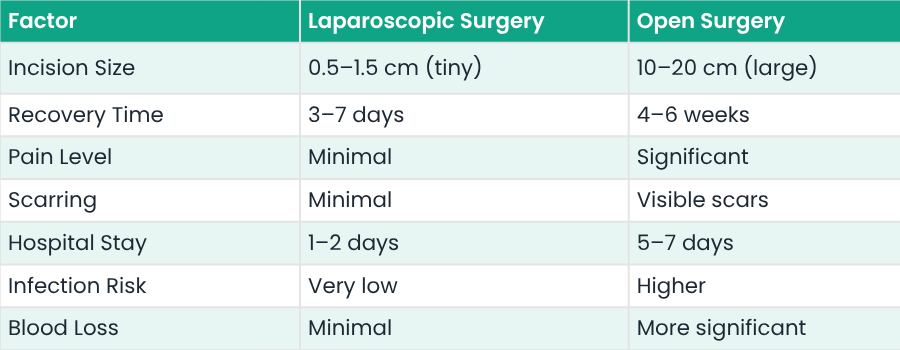
Laparoscopic Surgery Vs. Open Surgery – Key Differences
Why is Laparoscopic Surgery Done?
Laparoscopic surgery serves both diagnostic and therapeutic purposes. When a patient presents with abdominal pain, unexplained symptoms, or a condition that has not responded to medical management, a laparoscopic procedure allows the surgeon to directly examine internal organs and simultaneously treat the problem through minimal incisions.
For patients in Kanpur dealing with digestive disorders, gynaecological conditions, urological problems, or abdominal emergencies, laparoscopic surgery often represents the safest and most effective treatment path available.
Prof. Dr Manoj Sonkar performs laparoscopic procedures for a comprehensive range of conditions, including:
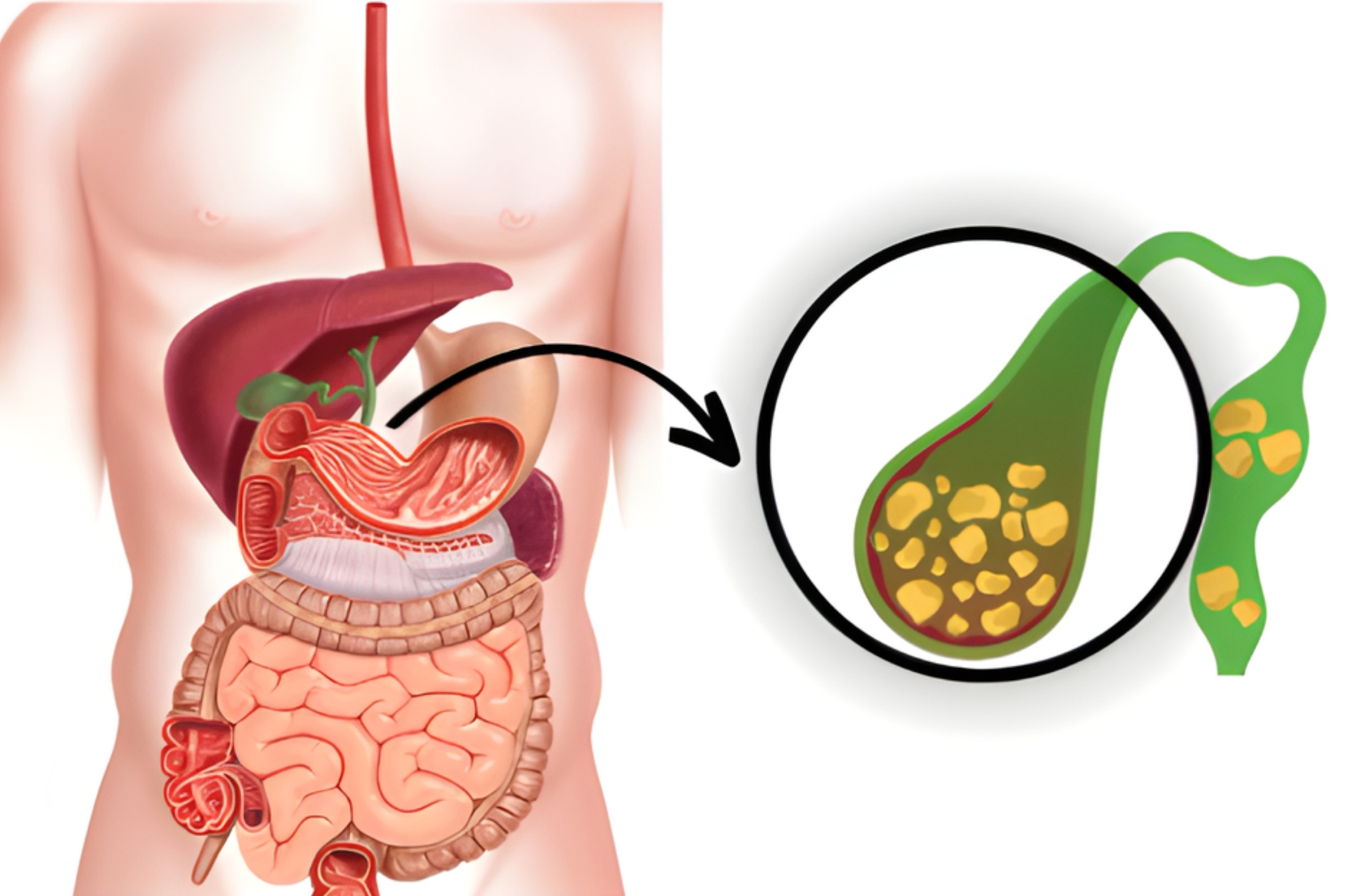
- Gallbladder stones (Cholelithiasis) and gallbladder inflammation (Cholecystitis)
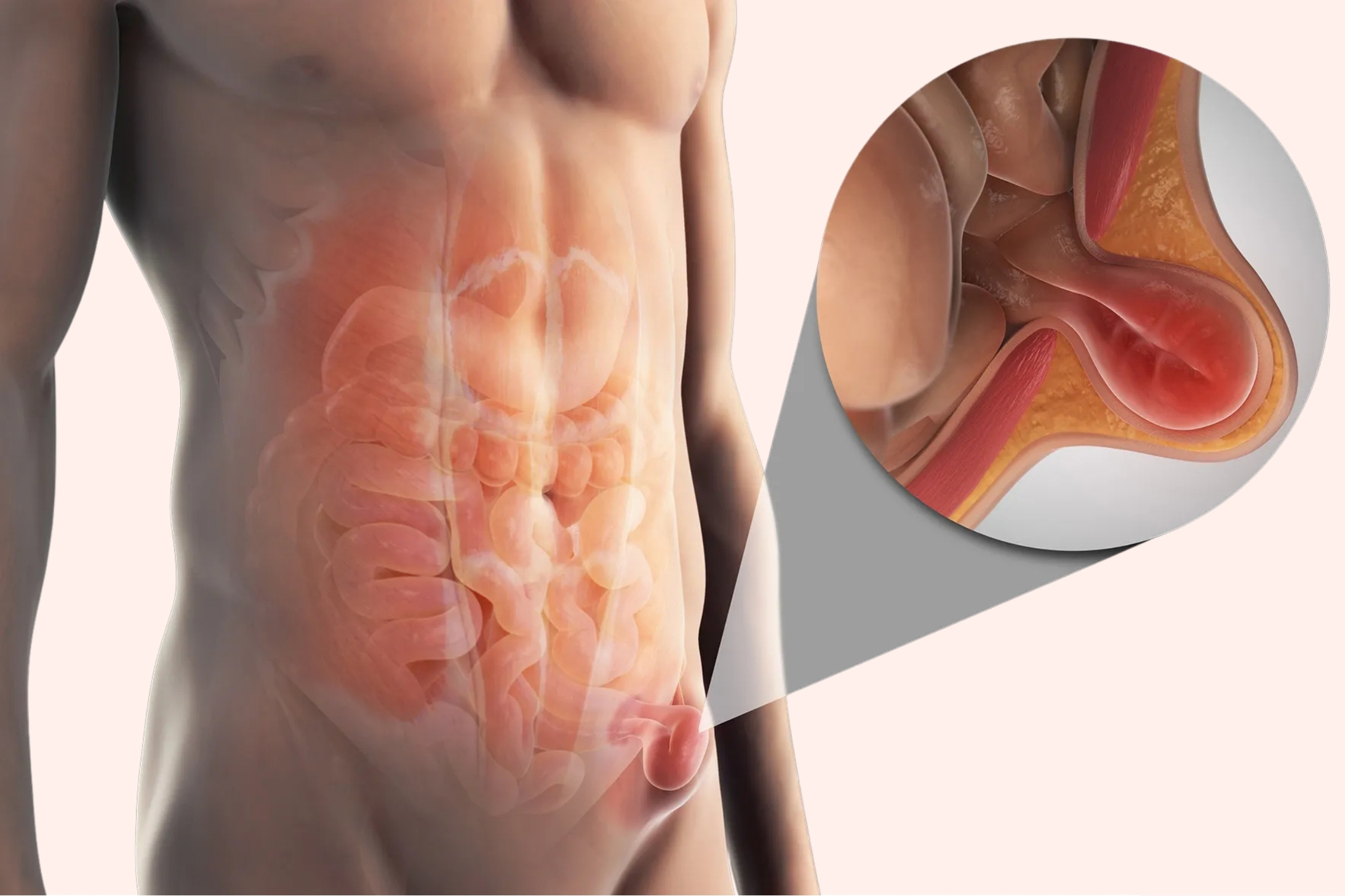
- All types of hernia: inguinal, umbilical, incisional, hiatus, and femoral
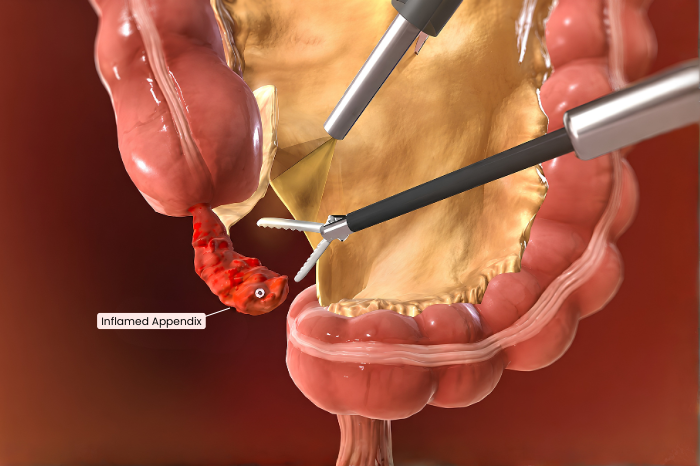
- Appendicitis requiring appendix removal (Appendectomy)
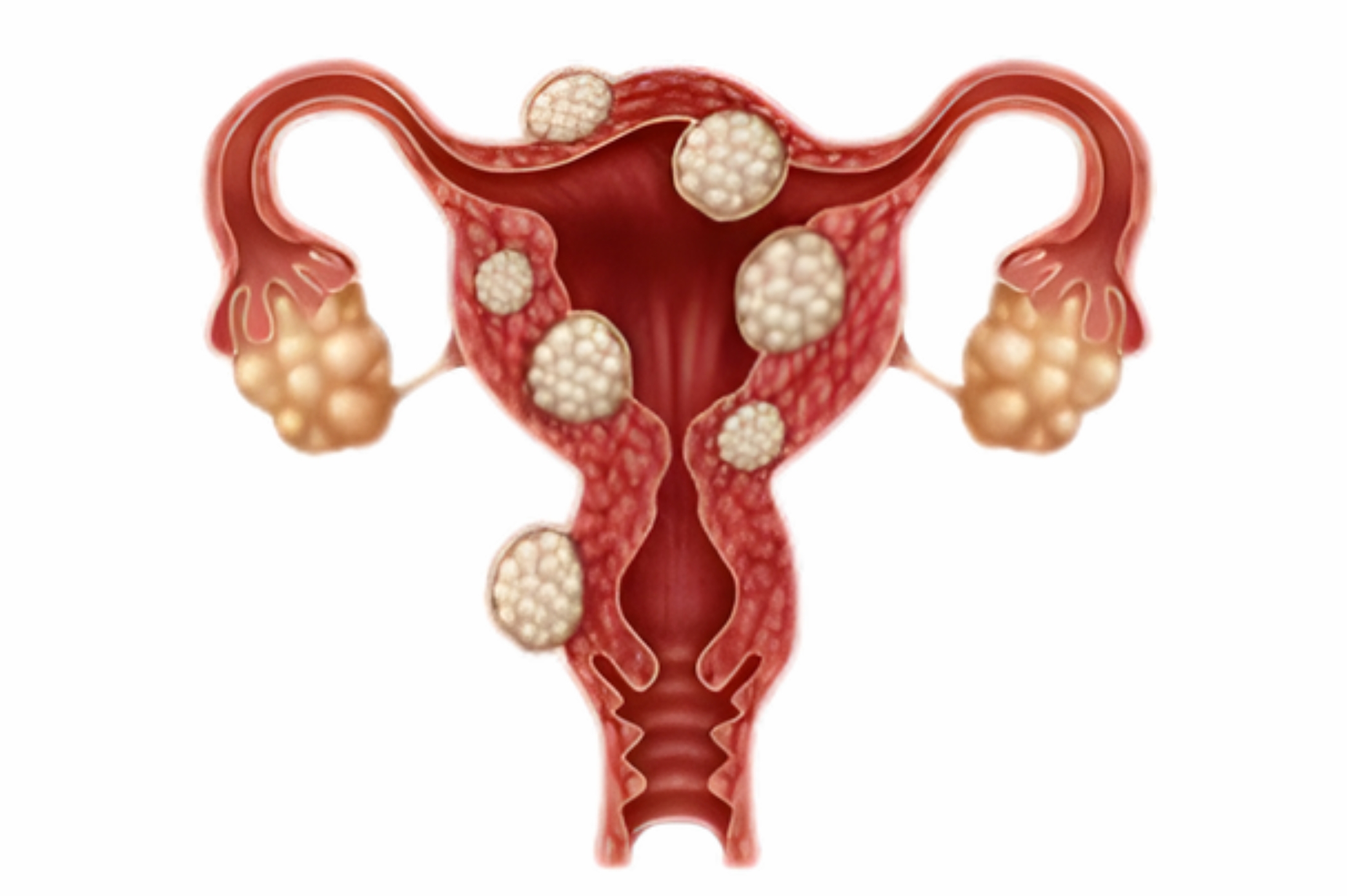
- Fibroid uterus, dysfunctional uterine bleeding (DUB), and ovarian cysts
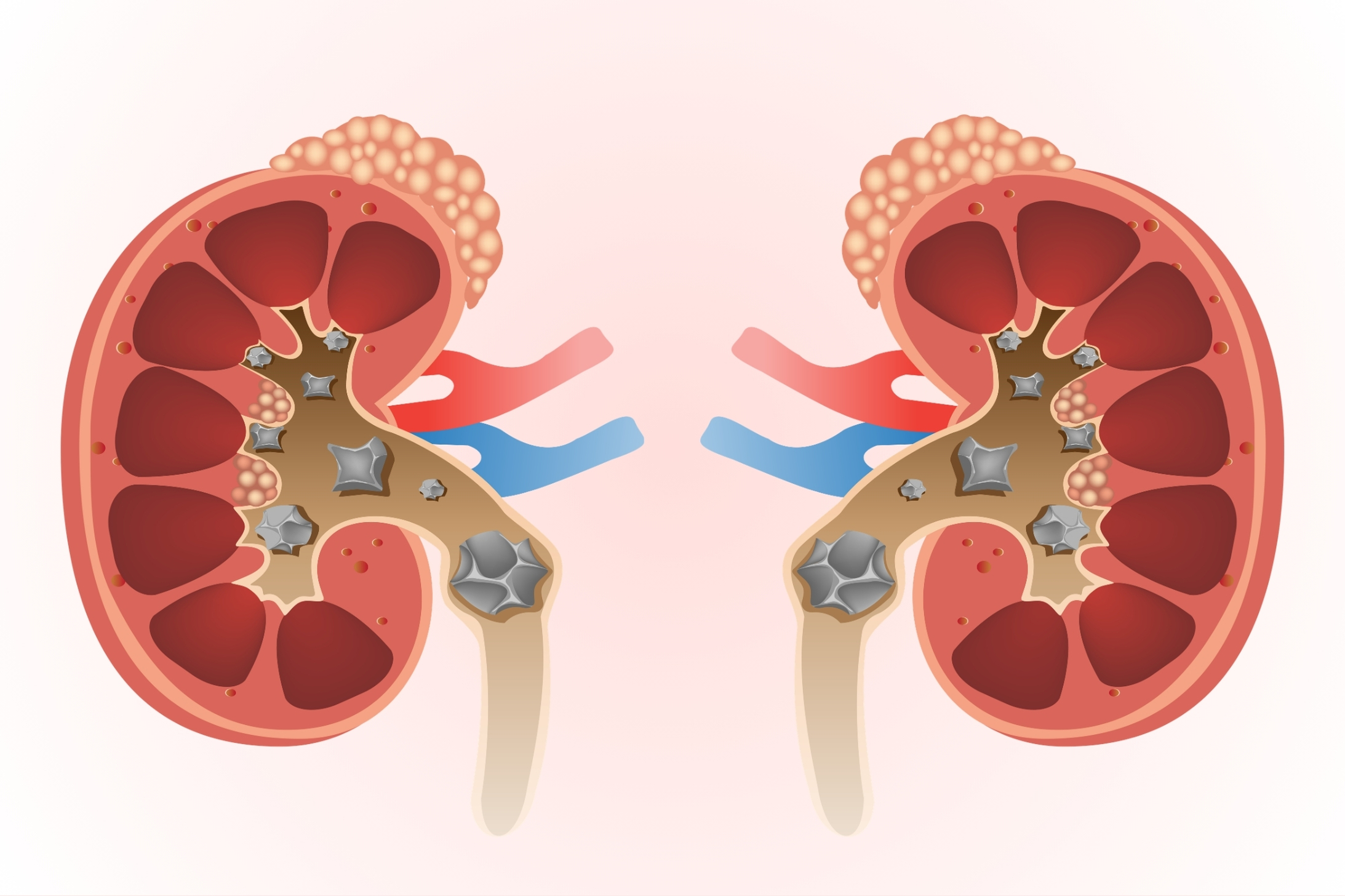
- Kidney and ureteric stones (Nephrolithiasis and Ureterolithiasis)
- Rectal prolapse and colorectal conditions
- Pancreatic pseudocysts and bile duct stones
- Hydatid disease and splenectomy
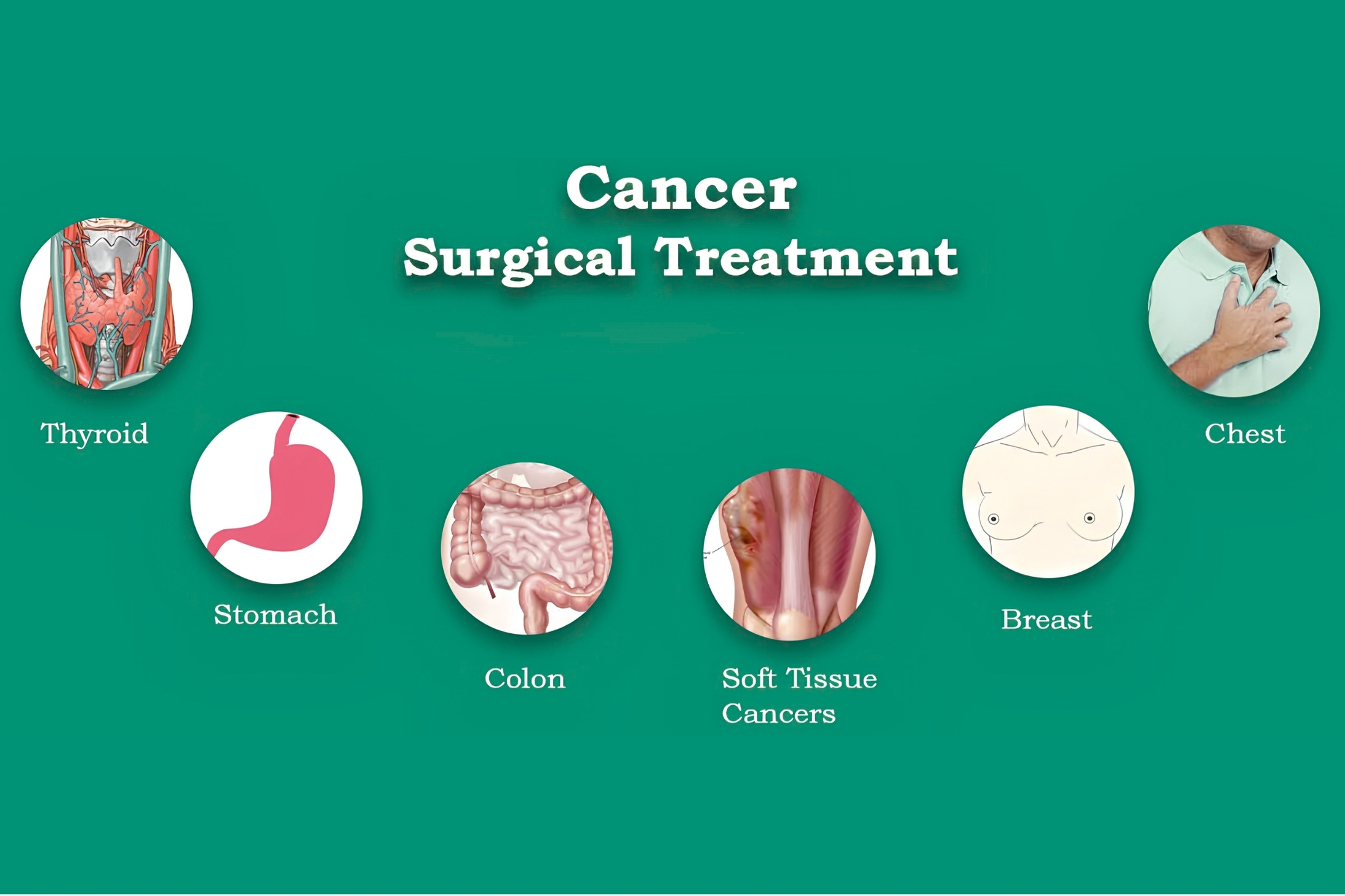
- Gastrointestinal cancers requiring hemicolectomy or APR
- Varicose veins and hydrocele
When Does Your Doctor Recommend Laparoscopic Surgery?
Your surgeon may recommend a laparoscopic approach when non-surgical treatments have failed to resolve your condition, when a diagnosis needs to be confirmed visually, or when the risk of open surgery is considered too high. Laparoscopic surgery is particularly preferred for patients who are elderly, diabetic, obese, or have prior abdominal surgeries, as it significantly reduces operative risks and speeds up recovery.
Common Laparoscopic Procedures Performed in Kanpur
Prof. Dr Manoj Sonkar’s practice covers the full spectrum of laparoscopic and minimally invasive procedures, serving patients across Kanpur with world-class surgical expertise.
Gallbladder Stone Surgery (Laparoscopic Cholecystectomy)
Hernia Repair Surgery
Appendix Removal (Laparoscopic Appendectomy)
Kidney & Ureteric Stone Surgery
Hysterectomy & Fibroid Removal
Cancer Surgeries & Advanced GI Procedures
Benefits of Laparoscopic Surgery
The rising popularity of laparoscopic surgery in Kanpur is no coincidence. Patients and surgeons alike prefer this approach for compelling clinical and practical reasons.
Faster Recovery Time
One of the most significant advantages of laparoscopic surgery is the dramatically reduced recovery time. While open surgery may require 4–6 weeks of recovery, most laparoscopic patients resume light activities within 3–7 days and return to full normal function within 2–3 weeks. For working professionals and homemakers in Kanpur, this translates to less disruption to daily life and a faster return to productivity.
Minimal Scarring
Laparoscopic surgery leaves behind only 2–4 small marks of less than 1.5 cm each, and they are virtually invisible after healing. In contrast, open surgery typically leaves a long, prominent scar. For patients concerned about cosmetic outcomes, laparoscopy is the clear winner.
Reduced Pain & Shorter Hospital Stay
The small incisions used in laparoscopic surgery cause far less tissue trauma than open surgery. As a result, patients experience significantly lower post-operative pain, require fewer painkillers, and spend much less time in the hospital, and patients often go home the same day or the next morning. This also reduces the overall cost of treatment.
Lower Risk of Infection & Complications
Because laparoscopic surgery involves smaller wounds and less exposure of internal organs to the environment, the risk of post-operative infection is considerably lower. Blood loss during the procedure is also minimal, reducing the need for transfusions and lowering the risk of complications related to anaesthesia and recovery.
Laparoscopic surgery is not just a technique. It is a philosophy of doing more for the patient while causing less harm. Every small incision is a big step forward in the quality of surgical care.” – Prof. Dr. Manoj Sonkar
Meet Prof. Dr Manoj Sonkar – Best Laparoscopic Surgeon in Kanpur
When choosing a laparoscopic surgeon in Kanpur, the doctor’s qualifications, experience, and track record matter enormously. Prof. Dr Manoj Sonkar stands out as one of the most credentialled and experienced laparoscopic surgeons in the region, combining 15+ years of hands-on surgical practice with a distinguished academic career at some of India’s most respected medical institutions.
Qualifications & Fellowships
- MBBS – LTM Medical College, Mumbai (2002–2008)
- MS (General Surgery) – GSVM Medical College, Kanpur (2010–2013)
- FMAS – Fellowship in Minimal Access Surgery, AMASI (2015)
- FIAGES – Fellowship of the Indian Association of Gastrointestinal Endosurgeons (2017)
- FCLS – Fellowship, International College of Laparoscopic Surgeons, SELSI (2017)
- FAIS – Fellowship, Association of Surgeons of India (2024)
- FALS (Hernia) – Fellowship in Advanced Laparoscopy (Hernia), IAGES (2025)
Clinical Experience & Academic Career
Dr Manoj Sonkar’s career spans premier institutions across India. After completing senior residency at B.L. Kapur Multispeciality Hospital, Maulana Azad Medical College, and Acharya Bhikshu Hospital in New Delhi, he served as an Attending Consultant at Max Hospital Saket, one of Delhi’s top-ranked tertiary care centres. He subsequently returned to Kanpur, where he has served as Assistant Professor, Associate Professor, and currently holds the position of Professor and Head, Department of Minimal Access Surgery at Rama Medical College, Mandhana, Kanpur (2026 to Present).
He has also served as an Associate Professor at GSVM Medical College and Government Medical College, Kannauj, demonstrating a deep commitment to academic surgery and postgraduate medical education.
Research & Publications
Dr Sonkar is an active surgical researcher with 8 peer-reviewed publications in respected medical journals, covering topics from laparoscopic cholecystectomy complications and abdominal emergencies to rare surgical cases including retroperitoneal hydatid cysts, scrotal neurofibromas, and giant liposarcomas. His research background ensures that his clinical practice is always grounded in the latest evidence-based guidelines.
Professional Memberships
- Association of Surgeons of India (ASI)
- Indian Association of Gastrointestinal Endosurgeons (IAGES)
- Association of Minimal Access Surgeons of India (AMASI)
- Society of Endoscopic and Laparoscopic Surgeons of India (SELSI)
- Association of Colon and Rectal Surgeons of India (ACRSI)
- Indian Medical Association (IMA)
Laparoscopic Surgery Procedure – Step by Step
Understanding what happens before, during, and after your laparoscopic surgery in Kanpur helps reduce anxiety and prepares you for a smooth experience.
1
Pre-Surgery Preparation
- Your surgeon will conduct a thorough clinical evaluation, including blood tests, ECG, ultrasound, and, if needed, a CT scan.
- You will be asked to fast for 6–8 hours before the procedure.
- Any ongoing medications, especially blood thinners, will be reviewed and adjusted as needed.
- You will meet the anaesthesiologist to discuss your anaesthesia plan and allergies.
- Pre-operative counselling will walk you through what to expect during and after the procedure.
2
During the Surgery
- General anaesthesia is administered to keep you comfortable and pain-free throughout.
- Small incisions (2–4) are made in the abdomen, usually near the navel.
- Carbon dioxide is introduced to create a working space inside the abdomen.
- The laparoscope is inserted, and the surgical team monitors the operation on HD screens.
- Specialised tools perform the required procedure: removal, repair, or reconstruction.
- All instruments are removed, and incisions are closed. Total duration: 30 minutes to 2+ hours, depending on procedure complexit.
3
Post-Surgery Care
- You will be monitored in the recovery room for 1–3 hours immediately after surgery.
- Most patients are transferred to the ward and can sit up and drink fluids the same evening.
- Pain at the incision sites is typically mild and well-controlled with oral medications.
- You may experience temporary shoulder pain due to residual CO2, and this typically resolves within 24 to 48 hours.
- Discharge is usually within 24–48 hours for most laparoscopic procedures.
- A follow-up visit is scheduled at 5–7 days for wound inspection and stitch removal if applicable.
Recovery After Laparoscopic Surgery
What to Expect in the First Week
Most patients undergoing laparoscopic surgery in Kanpur find the initial recovery far more comfortable than they had anticipated. In the first 24–48 hours, some fatigue and mild soreness around the incision sites is normal. By day 3–4, most patients are up and moving comfortably, able to manage personal care independently. By the end of the first week, light activity and short walks are usually possible.
Diet & Lifestyle After Surgery
- Begin with clear liquids and progress to a soft diet in the first 2–3 days.
- Avoid heavy, spicy, or oily foods for at least 2 weeks post-surgery.
- Stay well hydrated. Aim for at least 8 to 10 glasses of water daily.
- Avoid strenuous activity, heavy lifting (>5 kg), and vigorous exercise for 2–4 weeks.
- Short walks are encouraged from day 1 to prevent blood clots and aid recovery.
- Return to driving is generally permitted after 1 week, subject to your surgeon’s advice.
- Most patients return to desk jobs within 5–7 days and manual work within 2–3 weeks.
When to Call Your Doctor
Contact Prof. Dr Manoj Sonkar’s clinic immediately if you experience any of the following after surgery:
- Fever above 38.5°C (101.3°F)
- Increasing redness, swelling, or discharge from incision sites
- Severe abdominal pain that is worsening rather than improving
- Inability to pass urine or stools beyond 48 hours
- Persistent nausea and vomiting are preventing oral intake
- Shortness of breath or chest pain
Risks & Limitations of Laparoscopic Surgery
Laparoscopic surgery is one of the safest surgical techniques available today. However, as with all surgical procedures, it carries a small risk of complications that every patient should be aware of before making an informed decision.
Common Side Effects
- Temporary shoulder or upper back discomfort from residual CO2 gas (resolves in 24–48 hours)
- Mild bruising or discomfort at incision sites
- Temporary bloating or gas in the abdomen
- Fatigue and low energy for a few days post-procedure
- Rare risk of infection, bleeding, or injury to surrounding structures (overall incidence less than 1%)
When Open Surgery May Be Preferred
While laparoscopic surgery is the preferred approach for most abdominal procedures, there are situations where your surgeon may recommend conventional open surgery instead. These include cases of severe adhesions from prior surgeries, active uncontrolled bleeding, extremely advanced-stage cancer, or when the patient’s anatomy or medical condition makes laparoscopy technically unsafe. Dr Manoj Sonkar will always assess each patient individually and recommend the surgical approach that best balances safety and outcome.
Laparoscopic Surgery Cost in Kanpur
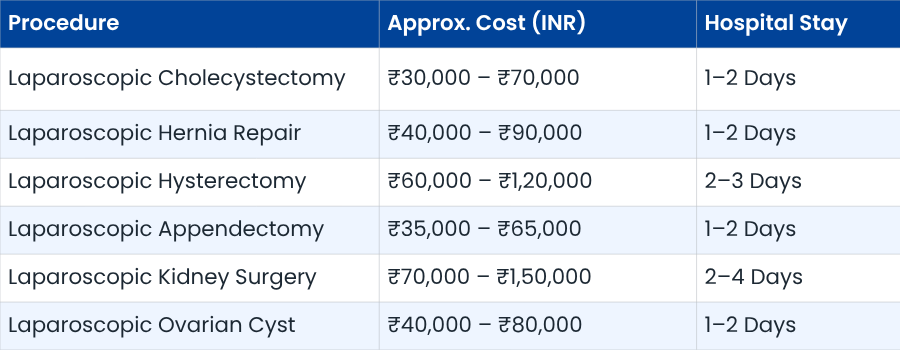
One of the most common questions patients ask is: What is the cost of laparoscopic surgery in Kanpur? The answer depends on several factors, but in general, laparoscopic surgery in Kanpur is significantly more affordable than in metro cities like Delhi or Mumbai, without any compromise in quality of care.
Laparoscopic Surgery Cost in Kanpur
*Costs are approximate and may vary based on hospital, complexity, and individual patient factors.
Factors Affecting the Cost of Laparoscopic Surgery
- Type of procedure (simple cholecystectomy vs. complex cancer surgery)
- Surgeon’s experience and specialisation
- Hospital or clinic facility (government vs. private)
- Pre-operative diagnostic tests (ultrasound, CT scan, blood work)
- Duration of hospital stay and post-operative medications
- Any unexpected intraoperative complications
Insurance & Cashless Treatment Options
Most major health insurance policies in India. Government schemes such as Ayushman Bharat PM-JAY also cover laparoscopic surgical procedures. Patients are advised to confirm coverage with their insurance provider before scheduling surgery. For uninsured patients, Prof. Dr. Manoj Sonkar’s clinics offer transparent, affordable pricing and can help guide you through available financial assistance options.
Best Hospitals for Laparoscopic Surgery in Kanpur
Choosing the right facility for your laparoscopic surgery is as important as choosing the right surgeon. Prof. Dr Manoj Sonkar consults and operates at three strategically located facilities across Kanpur, ensuring accessible, high-quality surgical care for patients from all parts of the city.
Dropa Hospital – Kalyanpur
Located on GT Road, opposite Kalyanpur Police Station in Singh Market, Dropa Hospital is one of the primary facilities where Prof. Dr Manoj Sonkar sees patients and performs laparoscopic procedures. Situated in the rapidly growing Kalyanpur area, it serves patients from Rawatpur, Kidwai Nagar, and surrounding localities. Address: GT Road, Opp. Kalyanpur Police Station, Singh Market, Kalyanpur, Kanpur – 208026.
Neuron Superspeciality Hospital – Kakadeo
Neuron Superspeciality Hospital in Kakadeo is a well-equipped multispeciality facility offering advanced diagnostics and surgical infrastructure. Dr Sonkar consults here to serve patients from Kakadeo, Shastri Nagar, and the P-Block Navin Nagar areas of Kanpur. Address: Room No. G-16, P Block, Navin Nagar, Kakadeo, Kanpur – 208025.
Centre for Advanced Laparoscopy & Laser Proctology – Keshavpuram
This is Dr Manoj Sonkar’s dedicated centre for advanced laparoscopic and laser proctology procedures. Located at Shiv Kripa Apartment, Maswanpur Chauraha, Keshavpuram, Kalyanpur, it is purpose-built for minimally invasive surgery consultations and is the go-to facility for patients requiring specialist laparoscopic or proctological care. Address: Shop No. 5, Shiv Kripa Apartment, Maswanpur Chauraha, Keshavpuram, Kalyanpur, Kanpur – 208019.
Laparoscopic Surgery in Kanpur – Serving Patients Across the City
Kanpur, one of the largest cities in Uttar Pradesh, has seen rapid growth in medical infrastructure over the past decade. Today, patients no longer need to travel to Delhi or Mumbai for advanced laparoscopic surgical care. With experienced surgeons like Prof. Dr Manoj Sonkar practising in the city, world-class minimally invasive surgery is available right here in Kanpur.
Dr Sonkar’s three clinic locations in Kalyanpur, Kakadeo, and Keshavpuram are strategically placed to serve patients from across Kanpur, including Rawatpur, Kidwai Nagar, Shastri Nagar, Govind Nagar, Armapur, Vikas Nagar, and beyond. Patients from neighbouring districts, including Unnao, Fatehpur, Kannauj, and Etawah, also regularly visit for laparoscopic consultations.
The growing demand for laparoscopic surgery in Kanpur reflects a broader shift in patient awareness, as more people now understand the benefits of minimally invasive procedures and actively seek out fellowship-certified specialists rather than settling for less experienced providers. Prof. Dr Manoj Sonkar’s combination of academic pedigree, clinical experience, and multiple Fellowship certifications makes him one of the most trusted laparoscopic surgeons in the Kanpur region.
Frequently Asked Questions (FAQs)
The following answers address the most common questions patients ask about laparoscopic surgery in Kanpur.
1. Is laparoscopic surgery safe?
Yes. Laparoscopic surgery is widely considered one of the safest surgical techniques available. Complications are rare (less than 1% in most procedures), and the risks of infection, bleeding, and prolonged recovery are all significantly lower than in open surgery. When performed by a fellowship-certified surgeon like Prof. Dr. Manoj Sonkar, the safety profile is excellent.
2. How long does laparoscopic surgery take?
The duration depends on the type of procedure. A laparoscopic cholecystectomy (gallbladder removal) typically takes 30–60 minutes, while more complex procedures like hernia repair or hysterectomy may take 1–3 hours. Your surgeon will give you a more accurate estimate during pre-operative counselling.
3. What is the recovery time after laparoscopic surgery?
Most patients recover within 3–7 days for simple procedures and 2–3 weeks for more complex ones. Return to desk work is typically possible within a week. Full physical activity resumes within 3–4 weeks for most patients.
4. What is the cost of laparoscopic surgery in Kanpur?
Laparoscopic surgery costs in Kanpur range from approximately ₹30,000 to ₹1,50,000, depending on the type of procedure, the facility, and individual patient factors. This is considerably more affordable than equivalent procedures in Delhi or Mumbai. Contact Dr Manoj Sonkar’s clinic for a personalised estimate.
5. Will I need general anaesthesia for laparoscopic surgery?
Yes. Laparoscopic surgery is performed under general anaesthesia, meaning you will be fully asleep and comfortable throughout the procedure. Your anaesthesiologist will conduct a pre-operative assessment to ensure the safest anaesthesia plan for you.
6. Can laparoscopic surgery be done for all abdominal conditions?
Laparoscopic surgery is suitable for the vast majority of abdominal, pelvic, and gynaecological conditions. However, in some complex cases, such as severe adhesions, active uncontrolled bleeding, or very advanced cancers, open surgery may be more appropriate. Prof. Dr Manoj Sonkar will evaluate your specific situation and recommend the safest approach.
7. How do I prepare for laparoscopic surgery?
Your surgeon will provide detailed pre-operative instructions, including fasting requirements, medication adjustments, and pre-surgery tests. It is important to inform your surgeon of all current medications, any known allergies, and any prior abdominal surgeries.
8. Is laparoscopic surgery covered by health insurance?
Yes. Most health insurance policies in India, including Ayushman Bharat PM-JAY, cover laparoscopic procedures. Check with your insurer before scheduling to confirm coverage details and cashless facility options.
9. Why choose Prof. Dr Manoj Sonkar for laparoscopic surgery in Kanpur?
Prof. Dr Manoj Sonkar brings together 15+ years of experience, seven Fellowship certifications (including FMAS, FIAGES, FCLS, and FALS-Hernia), a distinguished academic career at premier medical institutions, and eight peer-reviewed research publications. He is currently Professor & Head of the Department of Minimal Access Surgery at Rama Medical College, Kanpur, making him one of the most qualified and experienced laparoscopic surgeons in the entire Kanpur region.
10. Where can I consult Prof. Dr Manoj Sonkar in Kanpur?
You can consult Prof. Dr Manoj Sonkar at three locations across Kanpur: Dropa Hospital (Kalyanpur), Neuron Superspeciality Hospital (Kakadeo), and the Centre for Advanced Laparoscopy & Laser Proctology (Keshavpuram). Visit drmanojsonkar.com to book an appointment online or get contact details for each clinic.
Laparoscopic surgery in Kanpur has come a long way. Today, patients have access to fellowship-certified, academically accomplished surgeons who can deliver the same standard of minimally invasive surgical care available in the country’s top metropolitan hospitals.
Prof. Dr Manoj Sonkar, with his 15+ years of surgical experience, seven fellowships, active research profile, and three conveniently located clinics across Kanpur, represents the gold standard in laparoscopic surgical care for the city and surrounding region. Whether you are dealing with gallbladder stones, hernia, ovarian cysts, kidney stones, or need a complex GI procedure, you can trust Dr Manoj Sonkar to provide expert, evidence-based, patient-centred surgical care.
Do not let fear or uncertainty delay your treatment. Laparoscopic surgery is safe, proven, and widely accessible in Kanpur. Take the first step today.